
Hand Hygiene in Healthcare
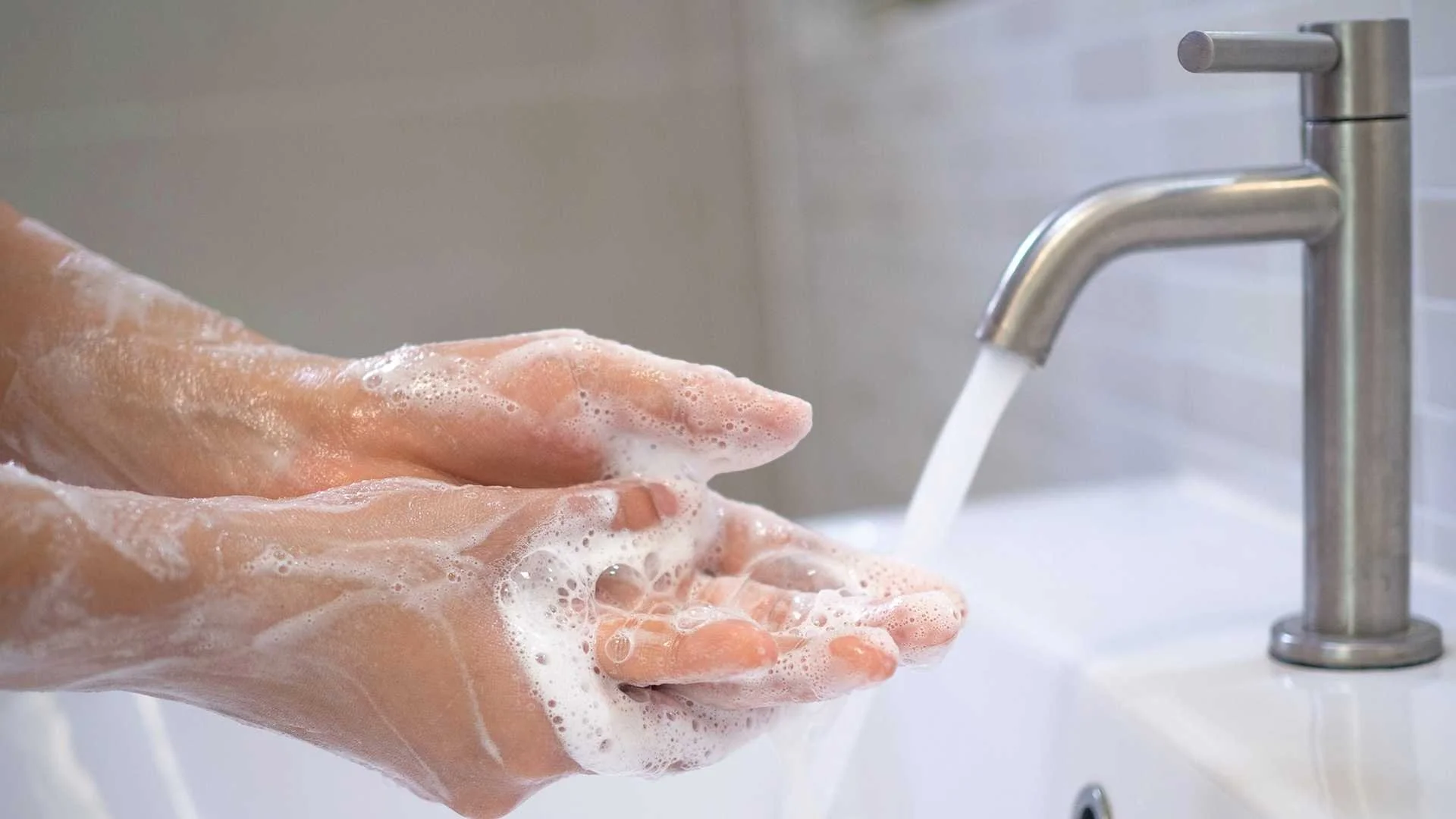
Proper hand hygiene is one of the most effective ways to prevent the spread of infection in healthcare settings
Proper hand hygiene is one of the most effective ways to prevent the spread of infection in healthcare settings. Simply put, hand hygiene means cleaning your hands using one of the following methods:
Handwashing with soap and warm water
Antiseptic hand wash
Antiseptic hand rub such as Alcohol-Based Hand Sanitizer (ABHS), including foam or gel
Surgical hand antisepsis
Cleaning your hands reduces the spread of potentially dangerous microorganisms to patients and lowers the risk of healthcare worker colonization or infection from germs acquired during patient care.
Why Hand Hygiene Matters in Healthcare Settings
Healthcare providers have frequent contact with patients, equipment, and surfaces that may carry infectious organisms. Effective hand hygiene helps:
Prevent healthcare-associated infections (HAIs)
Protect patients, visitors, and staff
Reduce the spread of bacteria, viruses, and spores
Support compliance with CDC and OSHA guidelines
Two Primary Methods of Hand Hygiene
Alcohol-Based Hand Sanitizers (ABHS)
Alcohol-Based Hand Sanitizers are the preferred method for cleaning hands in most clinical situations. They are the most effective products for reducing the number of germs on the hands of healthcare providers when hands are not visibly soiled.
Use ABHS:
Immediately before touching a patient
Before performing an aseptic task, such as placing an indwelling device
Before moving from a soiled body site to a clean body site on the same patient
After touching a patient or the patient’s immediate environment
After contact with blood, body fluids, or contaminated surfaces
Immediately after removing gloves
How to use ABHS properly:
Apply product to hands
Rub hands together, covering all surfaces
Continue rubbing until hands are dry
This process should take approximately 20 seconds
Handwashing With Soap and Water
Wash hands with soap and warm running water when:
Hands are visibly dirty or soiled
Before eating
After using the restroom
After caring for a person with known or suspected infectious diarrhea
After known or suspected exposure to spores such as C. difficile or Bacillus anthracis
Proper handwashing steps:
Wet hands with warm running water
Apply the recommended amount of soap
Rub hands vigorously for at least 15 to 20 seconds, covering all surfaces
Rinse thoroughly with warm water
Dry hands using disposable towels
Use the towel to turn off the faucet
Avoid hot water above 106°F to prevent skin irritation and dryness
Surgical Hand Hygiene and Antisepsis
Surgical hand antisepsis is required before donning sterile gloves for surgical or invasive procedures.
Best practices include:
Remove rings, watches, and bracelets before beginning
Clean underneath fingernails using a nail cleaner and warm running water
Use either an antimicrobial soap or an ABHS with persistent activity
Scrub hands and forearms for the time recommended by the manufacturer, typically 2 to 6 minutes
Longer scrub times are not necessary
When using alcohol-based surgical hand products, follow manufacturer instructions carefully
Prewash hands and forearms with non-antimicrobial soap and dry completely before applying alcohol-based products
Allow hands and forearms to dry thoroughly before donning sterile gloves
Double gloving is recommended for invasive procedures with increased risk of blood exposure
Reducing resident skin flora on the hands of the surgical team lowers the risk of bacteria entering the surgical field if gloves become punctured or torn.
Fingernails and Jewelry: Hidden Infection Risks
Fingernails and jewelry can interfere with effective hand hygiene.
Key considerations:
Germs can live under artificial fingernails before and after handwashing or ABHS use
Artificial fingernails or extensions should not be worn when caring for high-risk patients
Keep natural nail tips less than ¼ inch long
Studies show higher levels of germs on skin underneath rings compared to fingers without rings
Skin Care for Healthcare Workers
Because healthcare providers perform hand hygiene more frequently than the general public, skin health can be impacted. Cracked or damaged skin increases infection risk.
Routine skin care recommendations:
Use lotions or creams as needed to prevent dryness
Delay subsequent hand hygiene for at least 5 minutes after applying skin care products when feasible
Supporting Compliance Through Training and Policies
Consistent hand hygiene practices are essential for patient safety, regulatory compliance, and infection prevention. Ongoing training, audits, and clear policies help reinforce proper techniques and reduce risk.
At Compliance Alliance, we perform hand hygiene assessments for all our infection control clients to ensure staff compliance, identify improvement opportunities, and provide actionable feedback. These assessments help healthcare organizations maintain high standards and reduce the risk of healthcare-associated infections.
Need help improving hand hygiene compliance at your facility?
Our medical consulting team supports healthcare organizations with infection prevention programs, staff training, and regulatory compliance guidance. Contact us to learn how we can help strengthen your hand hygiene practices.