Nevada Healthcare Laser Requirements: Training, Safety, and Types of Medical Lasers
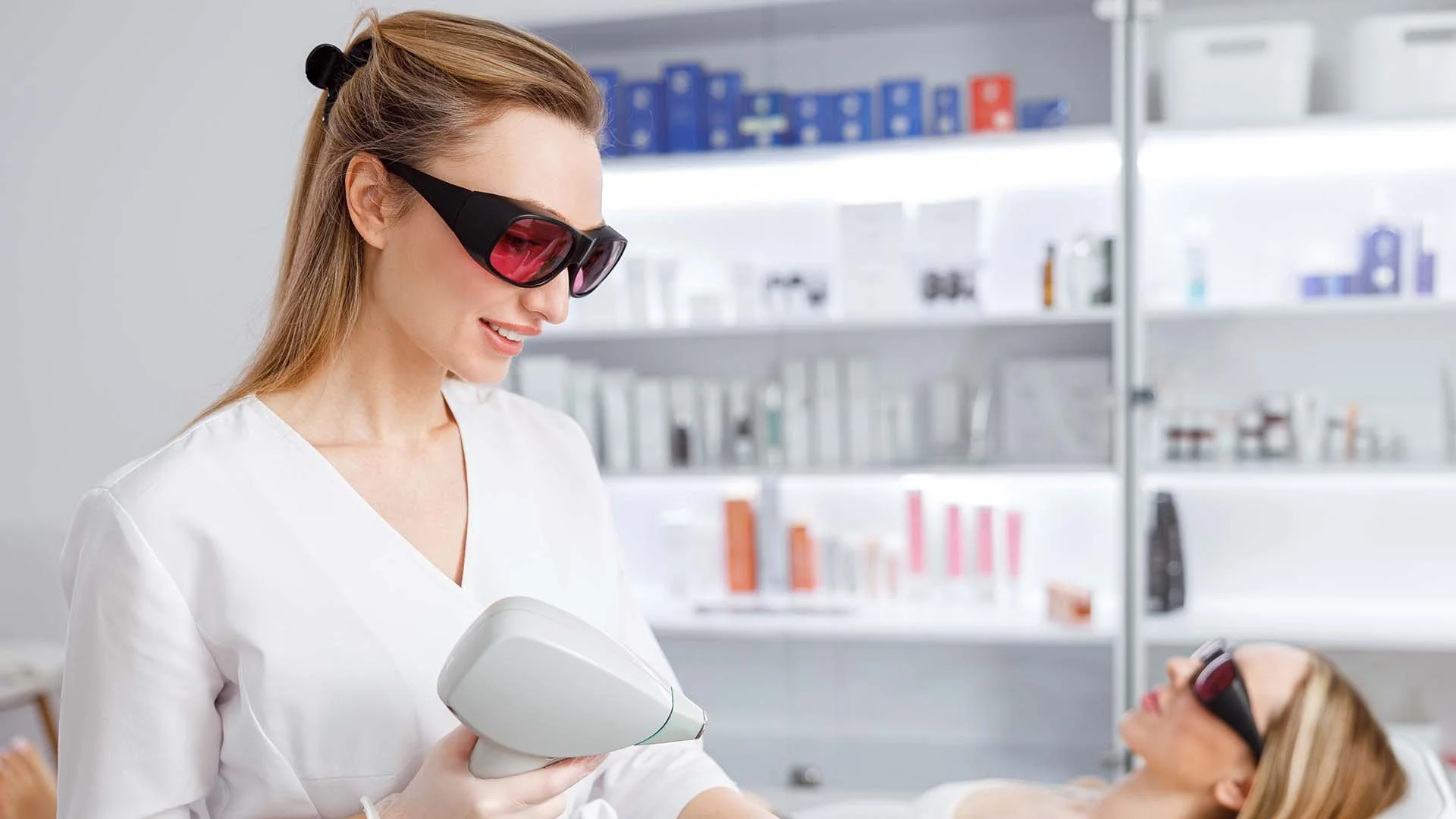
Medical lasers improve precision in healthcare, but proper training and safety protocols are essential for protecting patients and staff.
Lasers are becoming increasingly common in modern healthcare due to their precision, efficiency, and ability to improve patient outcomes. From surgical procedures to dermatology and dentistry, medical lasers allow healthcare professionals to perform treatments with greater accuracy and minimal damage to surrounding tissue.
However, because lasers can pose safety risks if used improperly, Nevada has specific requirements for healthcare facilities and professionals who use laser technology. Understanding these regulations, training requirements, and types of medical lasers can help healthcare providers stay compliant while maintaining high standards of patient and employee safety.
User Requirements for Medical Lasers in Healthcare
Healthcare facilities must follow specific laser safety requirements to protect both patients and staff. Nevada regulations require that only qualified and licensed healthcare professionals operate medical laser devices.
Authorized users typically include:
Physicians
Dentists
Nurses
Other licensed healthcare professionals with appropriate training
Healthcare facilities should always verify credentials and laser certifications before allowing staff to operate laser equipment. Proper oversight and supervision of laser procedures are also required to reduce risks and complications.
Additional safety measures include:
Posting laser warning placards in areas where lasers are used
Using beam shutters or caps when the laser is not actively in use
Turning lasers off when unattended, such as during lunch breaks, overnight, or shift changes
Ensuring laser beams are never directed toward employees
Following these protocols helps maintain compliance with Nevada safety standards and ensures a safe environment for both healthcare workers and patients.
Laser Training Requirements for Healthcare Professionals
Before performing laser procedures, healthcare professionals must meet specific training and certification requirements.
These requirements typically include:
Completing an accredited laser training program
Obtaining certification from a recognized organization
Holding a valid professional license in the state of Nevada
Demonstrating hands-on proficiency with laser equipment
Training programs generally cover essential topics such as:
Laser safety and hazard prevention
Patient safety and care protocols
Treatment techniques and clinical applications
Regulatory and compliance guidelines
Choosing a reputable and accredited laser training program is critical. Comprehensive education ensures providers can safely integrate laser procedures into their practice while delivering effective results for patients.
Common Types of Medical Lasers Used in Healthcare
Several types of lasers are commonly used in medical settings. Each type has unique properties that make it suitable for specific procedures.
CO₂ Lasers
CO₂ lasers use carbon dioxide gas to produce a highly concentrated beam of light. These lasers are known for their precision and ability to cut, vaporize, burn, or seal tissue.
They are frequently used in:
Surgical procedures
Dermatology treatments
Cosmetic surgery
Because they can precisely target tissue while minimizing bleeding, CO₂ lasers are widely used in both medical and cosmetic applications.
Nd:YAG Lasers
Nd:YAG (neodymium-doped yttrium aluminum garnet) lasers produce a near-infrared wavelength of light that can penetrate deeper into tissue compared to many other lasers.
These lasers are commonly used in:
Ophthalmology procedures
Urology treatments
Dental procedures
Their ability to reach deeper tissue layers makes them valuable for a wide range of specialized medical treatments.
Diode Lasers
Diode lasers use semiconductor materials to generate a focused beam of light. They are known for their efficiency, versatility, and precision.
Common applications include:
Surgical procedures
Dermatology treatments
Ophthalmology
Dentistry
Diode lasers are especially popular because they can target specific tissue areas while minimizing damage to surrounding structures.
Maintaining Compliance with Nevada Laser Regulations
The use of lasers in healthcare offers many benefits, but it also requires careful attention to training, safety protocols, and regulatory compliance.
Healthcare facilities should:
Ensure staff receive proper laser certification and training
Verify professional licensing and credentials
Maintain appropriate laser safety procedures
Stay updated on Nevada healthcare regulations
By following these best practices, healthcare providers can safely integrate laser technology into their services while protecting patients, employees, and their practice.