Safety Data Sheet (SDS) Compliance Requirements & Chemical Inventory in Healthcare
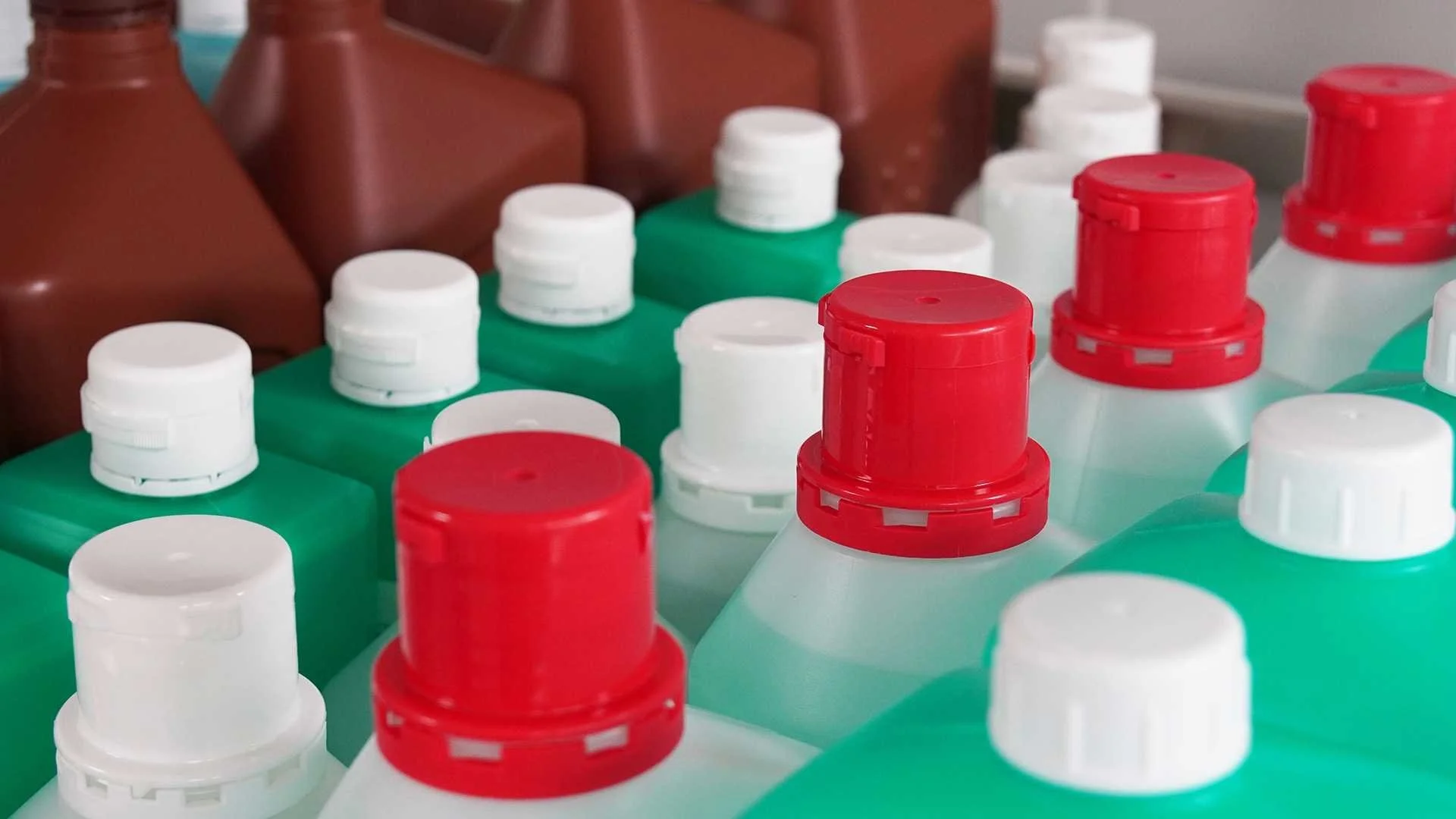
Every hazardous chemical in your facility must have a corresponding Safety Data Sheet that is accessible at all times.
In today’s healthcare environment, safety and compliance go hand in hand. From protecting patients to safeguarding staff, properly managing chemicals is a critical responsibility. Understanding Safety Data Sheet (SDS) requirements and maintaining an accurate chemical inventory are essential components of a strong compliance program and key factors in meeting Occupational Safety and Health Administration (OSHA) standards.
If your facility is looking to improve compliance, reduce risk, and stay inspection-ready, this guide breaks down everything you need to know.
What Are Safety Data Sheets (SDS) and Why Do They Matter?
Safety Data Sheets (SDS) are detailed documents that provide vital information about chemicals used in your facility. These include:
Chemical properties
Potential hazards
Safe handling and storage procedures
Required personal protective equipment (PPE)
First aid and emergency response measures
OSHA requires that every hazardous chemical in your workplace has a corresponding SDS. These documents must be:
Written in English (additional languages allowed)
Easily accessible to all employees
Available immediately without leaving the work area
Quick access to SDS can make a significant difference during emergencies, helping staff respond safely and effectively.
OSHA SDS Requirements for Healthcare Facilities
Under OSHA’s Hazard Communication Standard, healthcare facilities must:
Maintain current SDS for all hazardous chemicals
Ensure staff can access SDS at all times
Store SDS in a binder, digital system, or online portal
Keep SDS updated when new chemicals are introduced
Digital access is becoming the preferred method, allowing teams to quickly search and retrieve documents without delays.
How to Obtain Safety Data Sheets
Getting SDS for your facility is straightforward, but it requires consistency:
Manufacturers or distributors typically provide SDS with the initial shipment
If not included, you are required to request it directly
Online resources and SDS databases can supplement missing documents
The key is ensuring no chemical enters your facility without proper documentation.
Chemical Inventory Requirements: What OSHA Expects
Alongside SDS management, OSHA requires facilities to maintain a chemical inventory list. This doesn’t need to be overly complex.
At minimum, your inventory must include:
Product identifier (matching the label and SDS)
While not required, many facilities also include hazard information to support staff training and awareness.
How to Create a Chemical Inventory (Step-by-Step)
Building a compliant chemical inventory starts with a thorough review of your facility:
Conduct a Department-by-Department Audit
Walk through each area and identify all chemicals present.
Look Beyond Liquids
Chemicals exist in many forms, including:
Liquids
Solids
Gases
Vapors
Fumes
Mists
Even substances generated during work processes, such as dust or exhaust, must be considered.
Match Each Chemical to Its SDS
Every item on your inventory should have a corresponding, up-to-date SDS.
Keep It Updated
Your inventory should be reviewed regularly, especially when:
New products are introduced
Old chemicals are removed
Processes change
Common Compliance Mistakes to Avoid
Healthcare facilities often run into issues during inspections due to:
Missing or outdated SDS
Inaccessible documentation
Incomplete chemical inventories
Failure to account for all forms of chemical exposure
Avoiding these pitfalls can significantly reduce compliance risk.
How Compliance Alliance Supports Your Facility
Managing SDS and chemical inventories can be time-consuming, especially in busy healthcare settings. That’s where Compliance Alliance comes in.
We support our clients by:
Providing complete SDS libraries
Maintaining accurate chemical inventories
Updating documentation annually
Offering digital access through your client portal
This ensures your team always has the information they need, exactly when they need it.
Final Thoughts: Stay Compliant, Stay Safe
Proper SDS management and chemical inventory tracking are more than regulatory requirements, they are essential for maintaining a safe healthcare environment.
By staying organized, keeping documentation current, and ensuring accessibility, your facility can:
Improve staff safety
Reduce regulatory risk
Stay prepared for inspections
If you’re looking to streamline your compliance process, having the right systems and support in place makes all the difference.